TL;DR
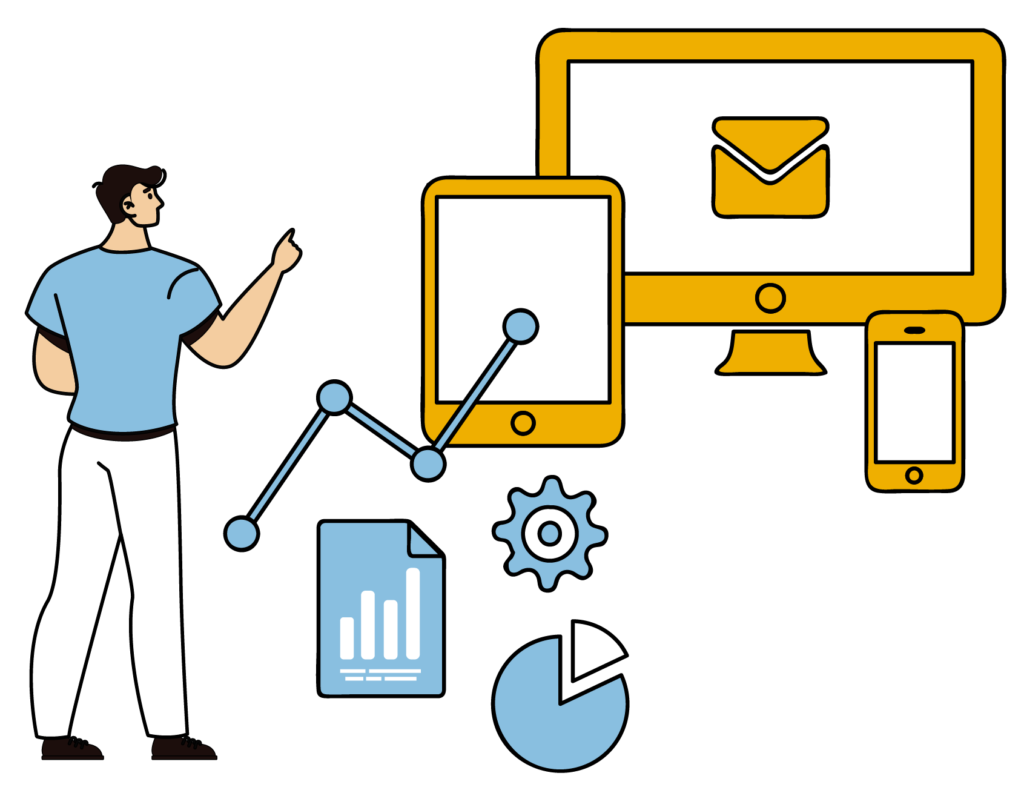
Marketing automation is a cornerstone of digital transformation, enabling businesses to deliver personalized customer experiences at scale while improving operational efficiency. By automating repetitive tasks, nurturing leads systematically, and providing actionable data insights, marketing automation helps organizations compete effectively in the digital economy.
What is Marketing Automation?
Marketing automation refers to software platforms and technologies designed to automate repetitive marketing tasks and workflows. These systems enable marketers to nurture leads, segment audiences, personalize communications, and measure campaign performance across multiple channels—all from a centralized platform.
At its core, marketing automation bridges the gap between marketing and sales, ensuring consistent customer experiences while freeing teams to focus on strategic initiatives rather than manual execution.
Why Marketing Automation is Essential for Digital Transformation
Digital transformation requires organizations to fundamentally rethink how they engage with customers. Marketing automation plays a critical role by providing:
1. Unified Customer Data
Marketing automation platforms consolidate customer data from multiple touchpoints—website visits, email interactions, social media engagement, and purchase history—into comprehensive customer profiles. This unified view enables truly personalized marketing.
2. Scalable Personalization
Manual personalization doesn’t scale. Marketing automation enables businesses to deliver tailored messages to thousands or millions of customers simultaneously, based on their behaviors, preferences, and stage in the customer journey.
3. Lead Nurturing Excellence
Not all leads are ready to buy immediately. Marketing automation nurtures prospects through carefully designed workflows, delivering the right content at the right time to move them toward conversion.
4. Real-Time Analytics and Optimization
Modern marketing requires data-driven decisions. Automation platforms provide real-time insights into campaign performance, enabling continuous optimization and improved ROI.
Key Components of Marketing Automation
Effective marketing automation encompasses several interconnected capabilities:
| Component | Function | Business Impact |
|---|---|---|
| Email Automation | Triggered, personalized email sequences | Higher engagement, better conversion |
| Lead Scoring | Automated qualification based on behavior | Sales efficiency, quality leads |
| Segmentation | Dynamic audience grouping | Relevant messaging, reduced churn |
| Campaign Management | Multi-channel orchestration | Consistent experience, broader reach |
| Analytics | Performance tracking and attribution | ROI visibility, optimization |
Implementing Marketing Automation Successfully
Step 1: Define Your Objectives
Before selecting tools, clarify what you want to achieve. Common objectives include:
- Improving lead quality and conversion rates
- Reducing manual marketing workload
- Enhancing customer personalization
- Gaining better marketing attribution
Step 2: Map Your Customer Journey
Document how customers move from awareness to purchase, identifying key touchpoints where automation can add value.
Step 3: Start with High-Impact Use Cases
Begin with automations that deliver quick wins:
- Welcome email sequences for new subscribers
- Abandoned cart recovery campaigns
- Lead nurturing for unconverted inquiries
Step 4: Integrate Your Systems
Marketing automation works best when connected to your CRM, e-commerce platform, and other business systems for seamless data flow.
Step 5: Continuously Optimize
Use analytics to identify what’s working and what isn’t. A/B test subject lines, content, timing, and segmentation to improve results over time.
Real-World Impact
Organizations implementing marketing automation typically see:
- 25-40% increase in marketing-qualified leads
- 10-15% reduction in marketing operational costs
- 20%+ improvement in email engagement rates
- Faster sales cycles through better lead nurturing
Frequently Asked Questions
What is marketing automation?
Marketing automation is software that automates repetitive marketing tasks like email campaigns, lead nurturing, and customer segmentation, allowing teams to focus on strategy while delivering personalized experiences at scale.
How does marketing automation support digital transformation?
Marketing automation enables digital transformation by centralizing customer data, automating multi-channel campaigns, providing real-time analytics, and creating personalized customer journeys that drive engagement and conversions.
What are the key benefits of marketing automation?
Key benefits include increased efficiency through task automation, improved lead quality via scoring and nurturing, enhanced personalization at scale, better ROI tracking, and unified customer data for informed decision-making.
Key Takeaways
- Marketing automation is foundational to digital transformation, not an optional add-on
- Unified customer data enables the personalization modern customers expect
- Start with clear objectives and high-impact use cases, then expand
- Integration matters - connected systems multiply automation value
Next Steps
Ready to accelerate your digital transformation with marketing automation? Request a demo to see RADICA’s marketing automation platform in action, or explore our marketing automation solutions to learn how we help businesses of all sizes automate, personalize, and grow.
Related Articles
4 Essential Tricks to Operate Marketing Automation
Master marketing automation with these 4 essential tricks: strategic segmentation, automated workflows, personalization at scale, and continuous optimization.
Read more →
4 Simple Steps to Boost Revenue with Omni-channel Marketing
Learn 4 actionable steps to implement omni-channel marketing that unifies customer experiences across email, SMS, WhatsApp, and social to drive revenue growth.
Read more →
Turning Data into Gold: How RADICA Helped a Luxury European Brand Boost Sales
Discover how RADICA used DeepSeek R1 AI to transform a luxury brand's customer data into actionable insights, driving smarter marketing and measurable revenue growth.
Read more →