TL;DR
Omni-channel marketing integrates all customer touchpoints into a unified experience, driving 15-35% higher customer satisfaction and significantly better retention. Follow these four steps—unify your data, map your customer journey, orchestrate across channels, and optimize continuously—to transform your marketing and boost revenue.
What is Omni-channel Marketing?
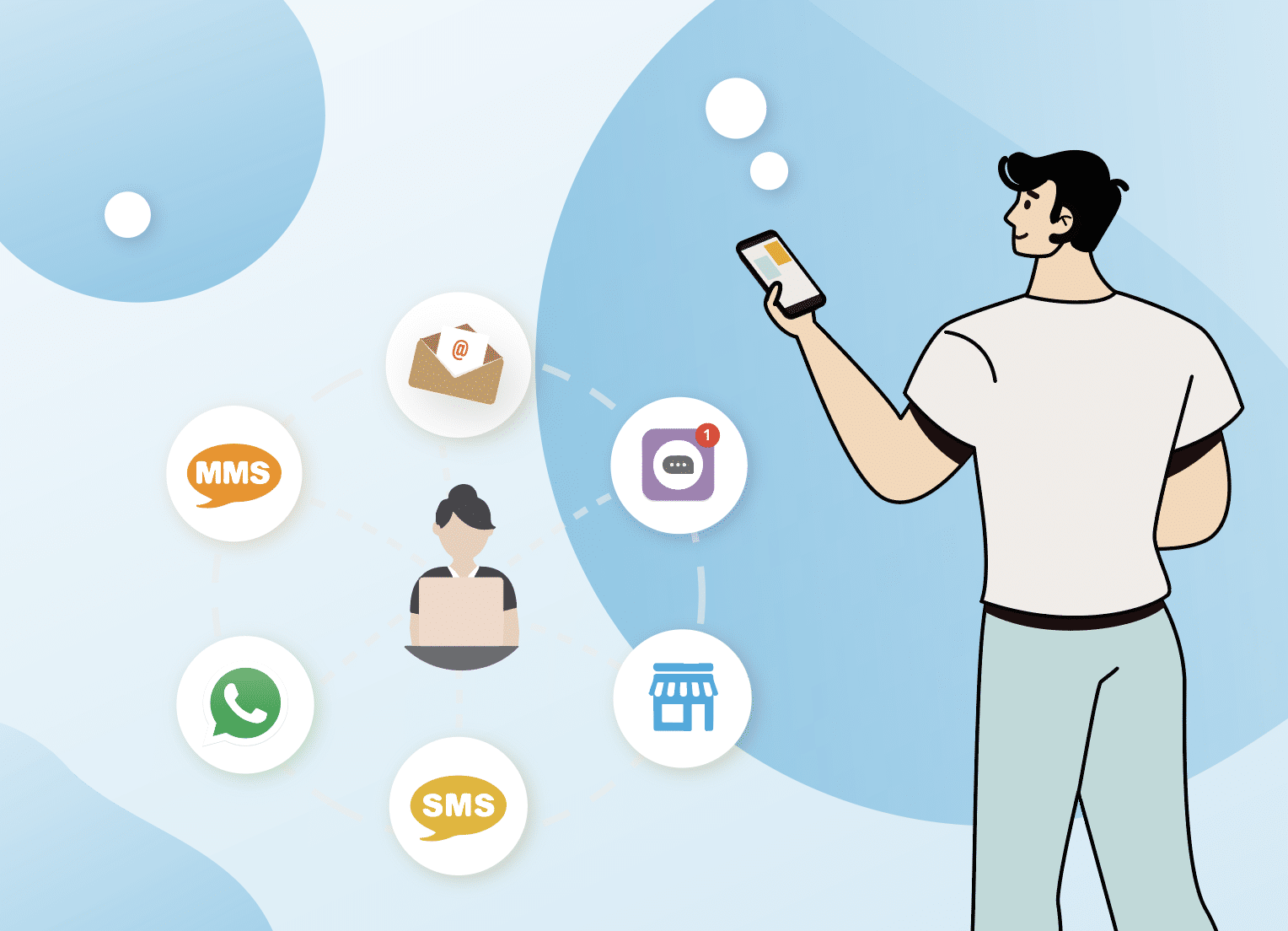
Omni-channel marketing creates a seamless customer experience across every channel and device. Unlike multi-channel marketing (which simply uses multiple channels), omni-channel ensures all channels are connected, share data, and deliver consistent messaging.
When a customer browses products on your website, receives a follow-up email, asks a question via WhatsApp, and completes a purchase in-store, omni-channel marketing ensures each interaction builds on the previous one.
Why Omni-channel Matters Now
Customer behavior has fundamentally changed:
- 73% of customers use multiple channels during their purchase journey
- 89% customer retention for companies with strong omni-channel strategies (vs. 33% for weak)
- 30% higher lifetime value from omni-channel customers compared to single-channel
- 15-35% higher customer satisfaction when experiences are consistent across channels
The question isn’t whether to adopt omni-channel—it’s how quickly you can implement it.
Step 1: Unify Your Customer Data
Omni-channel marketing is impossible without a single view of each customer. Data silos are the enemy.
What to Unify
- Identity data: Name, email, phone, social profiles
- Behavioral data: Website visits, email opens, purchases, support tickets
- Preference data: Channel preferences, communication opt-ins, product interests
- Transaction data: Purchase history, order values, frequency
How to Unify
- Audit existing data sources - CRM, email platform, e-commerce, support desk, POS
- Choose a unification approach - Customer Data Platform (CDP), CRM with integrations, or marketing automation hub
- Establish identity resolution - Match customer records across systems using email, phone, or customer ID
- Create unified profiles - Build comprehensive customer views accessible to all marketing systems
Common Pitfalls to Avoid
- Starting campaigns before data is unified
- Ignoring data quality issues (duplicates, outdated records)
- Forgetting consent management across channels
Step 2: Map Your Customer Journey
Understanding how customers move through their journey reveals where omni-channel engagement adds the most value.
Journey Mapping Process
Identify Key Stages
- Awareness: How do customers discover your brand?
- Consideration: What information do they need to evaluate you?
- Decision: What triggers the final purchase decision?
- Retention: What keeps customers coming back?
Map Touchpoints by Stage
| Stage | Touchpoints | Channels |
|---|---|---|
| Awareness | Ads, content, social | Paid media, organic social, search |
| Consideration | Website, reviews, email | Web, email, WhatsApp |
| Decision | Cart, support, offers | Web, email, SMS, phone |
| Retention | Service, loyalty, upsell | Email, app, WhatsApp, in-store |
Identify Friction Points
Where do customers drop off? Where do they switch channels? These friction points are opportunities for omni-channel improvement.
Step 3: Orchestrate Across Channels
With unified data and journey maps, you can now orchestrate coordinated campaigns across channels.
Orchestration Principles
Right Message, Right Channel, Right Time
Different channels serve different purposes:
- Email: Detailed content, promotions, newsletters
- SMS: Urgent updates, time-sensitive offers, confirmations
- WhatsApp: Conversational engagement, support, rich media
- Push: Real-time alerts, location-based triggers
- Social: Community engagement, brand awareness
Trigger-Based Sequences
Design automated sequences triggered by customer behavior:
Customer abandons cart →
  [+1 hour] Email with cart reminder →
  [+24 hours] SMS with limited-time offer →
  [+48 hours] WhatsApp with support offer
Channel Preference Respect
Honor customer channel preferences. Some prefer email; others want WhatsApp. Let behavior guide your channel mix.
Implementation Example: Welcome Series
Day 0: Welcome email with brand story and key benefits Day 2: SMS with exclusive first-purchase offer Day 5: Email with product education content Day 7: WhatsApp message inviting questions Day 14: Email with customer testimonials and social proof
Step 4: Optimize Continuously
Omni-channel marketing requires ongoing optimization based on performance data.
Key Metrics to Track
Channel Metrics
- Delivery rates by channel
- Engagement rates (opens, clicks, replies)
- Conversion rates by channel and sequence
Journey Metrics
- Stage progression rates
- Time-to-conversion
- Drop-off points
Business Metrics
- Customer acquisition cost (CAC)
- Customer lifetime value (CLV)
- Revenue per customer by channel mix
Optimization Tactics
- A/B test channel sequences - Does email→SMS outperform email→WhatsApp?
- Optimize timing - When are customers most responsive on each channel?
- Refine segmentation - Which customer segments respond to which channel combinations?
- Balance frequency - Prevent fatigue by coordinating sends across channels
Frequently Asked Questions
What is omni-channel marketing?
Omni-channel marketing delivers a unified, consistent customer experience across all channels—email, SMS, WhatsApp, social media, web, and in-store—with connected data enabling seamless transitions between touchpoints.
What is the difference between multi-channel and omni-channel?
Multi-channel uses multiple channels independently without data sharing. Omni-channel integrates all channels with unified customer data, enabling consistent messaging and seamless customer journeys across every touchpoint.
How does omni-channel marketing increase revenue?
Omni-channel marketing increases revenue by improving customer experience (15-35% higher satisfaction), increasing retention (89% for strong omni-channel vs. 33% for weak), and enabling personalized engagement that drives conversions.
Key Takeaways
- Unified data is the foundation - Without a single customer view, true omni-channel is impossible
- Journey mapping reveals opportunities - Understand how customers move across channels to optimize touchpoints
- Orchestration creates coherent experiences - Coordinate messages across channels rather than blasting independently
- Continuous optimization drives results - Use data to refine channel mix, timing, and messaging
Next Steps
Ready to implement omni-channel marketing? Request a demo to see RADICA’s omni-channel orchestration capabilities, or explore our omni-channel solutions to learn how we help businesses unify customer experiences across every touchpoint.
Related Articles
4 Essential Tricks to Operate Marketing Automation
Master marketing automation with these 4 essential tricks: strategic segmentation, automated workflows, personalization at scale, and continuous optimization.
Read more →
The Role of Marketing Automation in Digital Transformation
Discover how marketing automation drives digital transformation with personalization, lead nurturing, and data-driven insights for modern businesses.
Read more →